Fresh from speaking at last Friday’s ‘Climate Change – Rebuilding the Consensus and Changing the Narrative’ conference at the University of Warwick, our CEO Clare Wightman shares her thoughts on why we’re mistaken if we believe the climate consensus is broken — it might simply be the way we’re doing it.
Clare writes: “Two thirds of the public still support ‘net zero’. And yet the party political divides over climate action are louder than ever. Something doesn’t add up — unless the problem isn’t what we’re doing, but how we’re doing it.
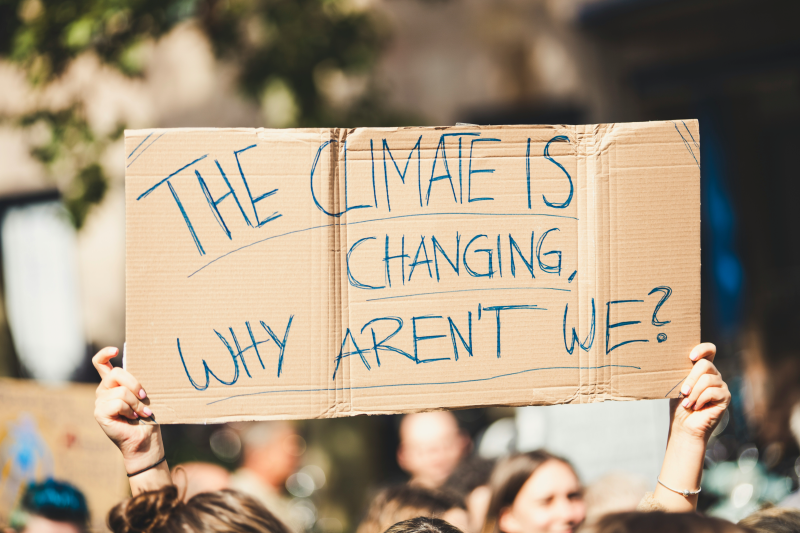
Credit: Markus Spiske on Unsplash
“I was chewing on that question last week at a conference at the University of Warwick, alongside a panel asked to unpick why climate politics have become so divisive in the UK. My fellow panellists offered important context. @Helena Bennett reminded us not to overstate a fractured consensus — there have been real political successes on climate. Professor Matthew Lockwood argued that climate is often secondary to deeper divides rooted in anti-expert, anti-systems politics among people who feel ignored by liberal elites. And Dr Mitya Pearson pointed out that broad public support for climate science and action remains strong — there has been no “greenlash,” though he warned that support shouldn’t be treated as a firewall.
“All of that resonated. But I wanted to bring a different starting point.”
Read the rest of Clare’s blog below.
My starting point isn’t the science — it’s fairness
I’m CEO of Grapevine Coventry and Warwickshire, a community organising charity. For over 25 years we’ve worked with people pushed to the margins — people facing poverty, inequality, crisis — and our fundamental belief is that those communities have the capacity to lead their own change.
So my starting point on climate isn’t the science, though I accept the science. It’s fairness. Who benefits, who loses out, and who gets to decide.
We’ve treated climate as a technical problem
Part of the story of why we’re not all working together ambitiously to tackle climate change — and why we now face organised anti-net-zero opposition — is that we haven’t centred a fair or just transition in what we’re trying to do.
We’ve treated the climate crisis as a technical problem requiring technical solutions. Build the cycle lane. Install the EV chargers. Put in the bus gate. Hit the carbon target. Those things matter. But when you implement them without asking who benefits, who’s disrupted, and who was involved in the decision, you create fertile ground for backlash.
That backlash is now being exploited politically. The Climate Barometer’s research is clear: two thirds of the public still support net zero. But the noise around it has become deafening — and that noise thrives on real grievances about how change is being done.
If we’d started from “how do we make this transition fair?” rather than “how do we hit this target?”, I think we’d be in a very different place.
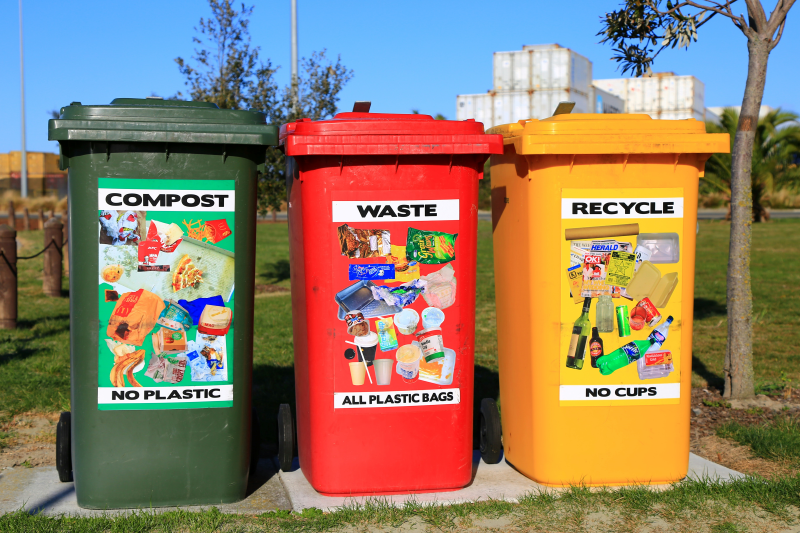
Credit: Nareeta Martin on Unsplash
Honest examples from Coventry
I want to be honest here, because this isn’t a story about bad actors. Coventry is genuinely ambitious on climate. This is a story about good people and good intentions falling short because we haven’t had the right structures, resources, or approach to centre fairness.
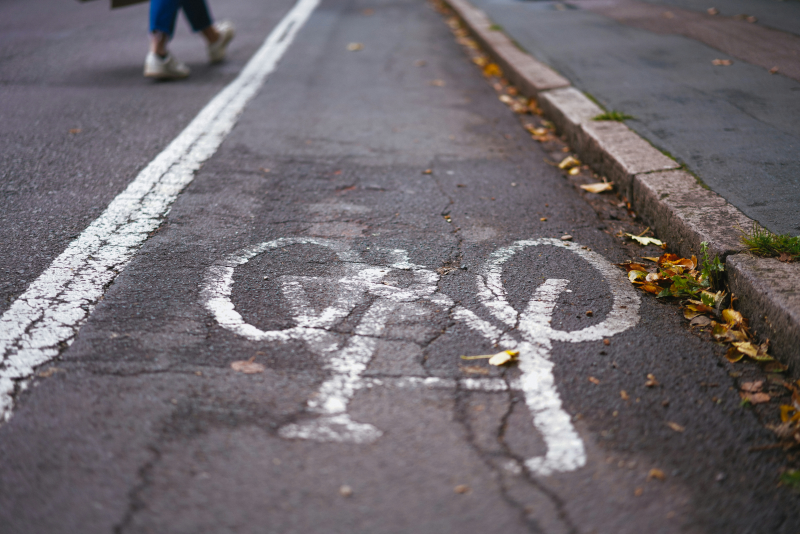
Cycle lanes have been built through properly funded, evidence-based projects. But they were driven by grant funding and government timescales rather than community vision. What should have happened — and I think people inside the system would now acknowledge this — is that communities and advocates should have been involved much earlier, in genuine conversation with those who opposed the schemes about the citywide vision. Instead, consultation happened scheme by scheme, often after fundamental decisions had been taken. And whilst every effort was taken to avoid the loss of trees, the Clifford Bridge Road project turned into something that pitted trees against cycle lanes and created enormous angst. Four thousand people signed a petition. Nine hundred turned up for what was described as the UK’s largest tree-hugging event. It went to the High Court. On Binley Road, CoventryLive spoke to shopkeepers along the route and the story they told was stark: the cycle lane narrowed the road, passing trade collapsed, and they felt they hadn’t been listened to. Those shopkeepers and those residents aren’t anti-net-zero campaigners. They’re people whose livelihoods and streets were affected by climate measures they felt they had no real say in. And here’s the structural point: the way these programmes are designed by government makes true co-creation really difficult. Funding timescales and conditions mean that by the time communities are consulted, the fundamental decisions have already been taken.
Credit: Phil Hearing on Unsplash
Green skills — we’ve developed a strategy for the city, which is good. But it’s been led by experts rather than by the businesses and communities who need those skills. Twenty-one percent of UK jobs need reskilling for the transition to net zero, and the West Midlands is one of the three most exposed regions. The demand is there — 4,000 SMEs in Coventry’s Green Business Network are already seeking support. But a strategy designed without the people it’s meant to serve risks being another thing that feels done to people rather than with them.
Bus gates have generated enormous anger. The Hales Street bus gate issued 25,000 fines in six months. A new one on Greyfriars Road was catching 440 drivers a day within weeks. The council earned an estimated £2 million in bus gate fines in a single year. Readers of Coventry Live call them a “trap,” a “cash cow.” And here’s what matters: one commenter predicted the bus gates would give the council “an excuse to introduce a ULEZ.” That’s the bridge from a practical local grievance — “I got fined and the signs were confusing” — to a broader anti-climate narrative. And it gets built when people feel the system is rigged against them, when the financial burden of change lands on ordinary drivers and small businesses rather than being shared fairly.
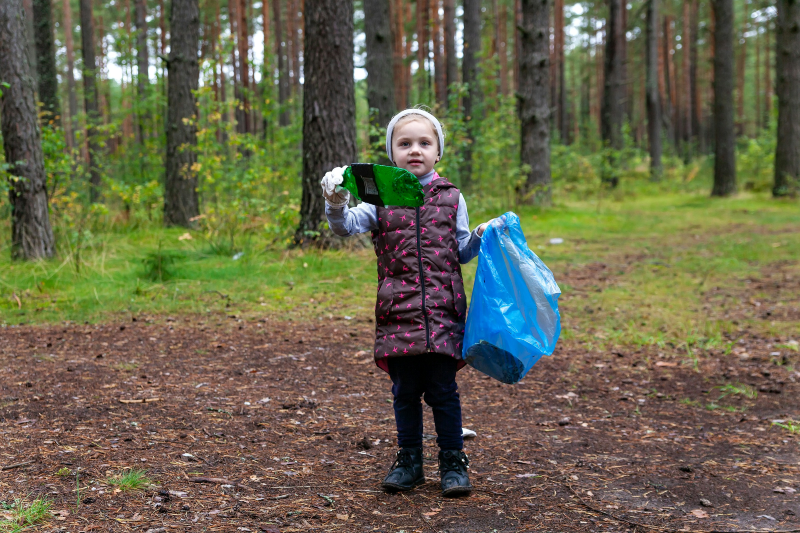
Credit: Daria Trofimova on Unsplash
Governance hasn’t been right either. Our partnership’s Just Transition work has been positioned as one group’s responsibility rather than something embedded across everything we do. We’re working to change that, but the deeper challenge is systemic: how we address power imbalances, who has a voice at the table, who influences policy. In Hillfields, 40% of households are in fuel poverty — four times the national average. Right now, we can’t confidently say whether our climate strategy is making that better or worse.
So what’s the missing piece?
The anti-net-zero backlash we’re seeing isn’t just misinformation or culture war politics, though those are real. It’s also a signal that we’ve been doing climate action to people rather than with them.
One participant in a recent workshop said something that’s stuck with me: “When climate action benefits everyone, it’s harder not to get on board with it.”
We’re talking about future-proofing. Warmer homes. Secure jobs. Money in people’s pockets. A genuine say in what happens on your street.
Credit: Artur Solarz on Unsplash
The Climate Barometer data shows that the most persuasive arguments for climate action aren’t about carbon budgets. They’re about owing it to our children, protecting the natural world and preventing things from getting worse. Those arguments work across the political spectrum — including with Reform voters. But they are, as the Climate Barometer puts it, conspicuously absent from the current debate.
We need to put them back. And we need to match them with structures and resources that give communities real power in how the transition happens — not consultation after the decisions are made, but genuine co-design from the start.
That’s what a Just Transition is. And without it, I think we’ll keep losing ground to the people who just might tear the whole thing down.