
This month we’re delighted to feature in UCL Policy Lab’s summer magazine talking about how community organising in Coventry is “rewriting the city’s history”.
Writer Maddy Breen visited Grapevine’s Spon End offices earlier this year to interview some of the team—including our CEO Clare Wightman, deputy CEO Mel Smith and community organisers Gemma and Edwin.
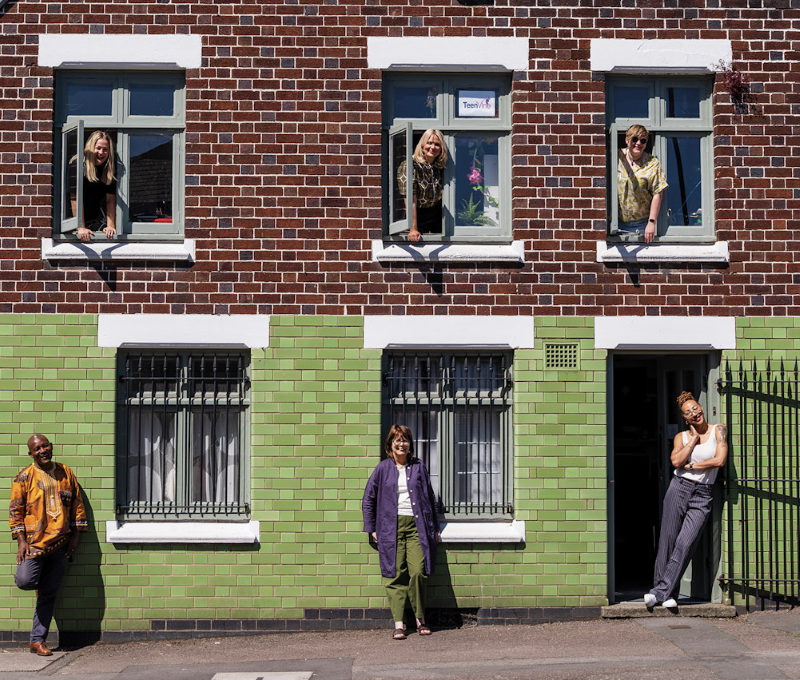
She learned how our work has evolved over 30 years from helping people with learning disabilities strengthen their lives, support networks and future prospects, to growing that “power of the ordinary” into something even more radical that allows local people to come together to act on their challenges, transforming systems and services along the way.
Clare and Mel discuss bringing what they learned about migrant-led organising in New York back to Coventry to start a movement for connection called Connecting for Good.
And how that movement has developed these past seven years—with a further two and a half years still ahead thanks to The National Lottery Community Fund—building the power of 18 community-led, diverse and mutually supportive initiatives creating a fairer, stronger city.
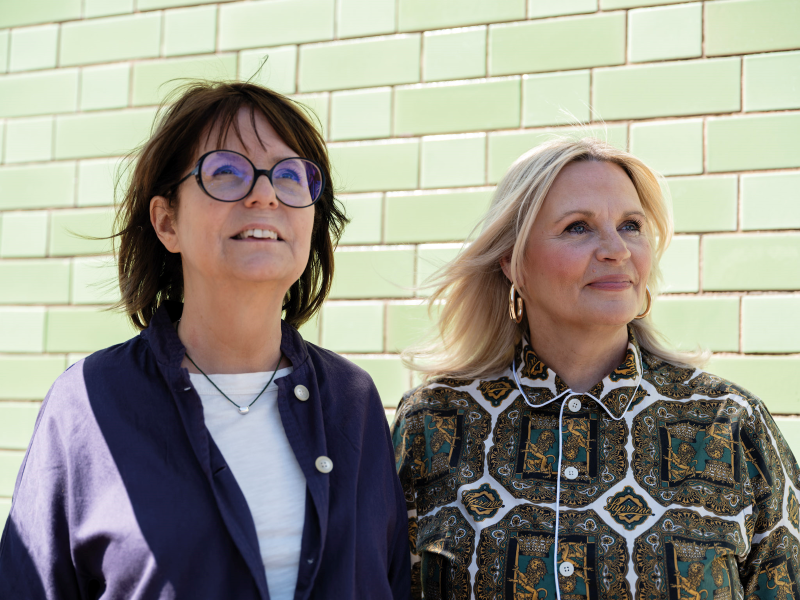
Power they want members to now begin wielding and using to help shape Coventry’s future.
As Clare explains: “It’s not about being invited into government spaces or public sector spaces on their terms to have your say.
“Power must be shaped and seized by communities, and they need to claim spaces.
“So our question at Grapevine is, how do we best help communities and the people in them claim power and take action over the challenges that they’re facing?”
Mel agrees: “Often government or services will have a set agenda or will create agendas, but the opportunity that we have in organising is that you bring people together without any of those agendas and truly start to understand what are the things that really bother them, what are those things that they really want to act on in their community.”
Grapevine’s learning, reflection, coaching and training cycles with its community organisers—and community changemakers alike—make this steady process worthwhile, strategic and impactful.
About UCL Policy Lab
UCL Policy Lab is University College London’s research arm connecting extraordinary ideas and everyday experience with the tools and resources to help tackle the challenges faced by all of us.
Their magazine is published four times a year.
Our article in the summer edition delves into Coventry’s post-Blitz recovery and regeneration and retraces Grapevine’s own journey from 1994 to present day strengthening people, sparking community and shifting power into ordinary people’s hands.
Look out for fantastic citizen portraits of people photographer Jørn Tomter met in the city centre on the day of UCL Policy Lab’s visit to Coventry.
‘Organising around hope’ has been produced as part of UCL Policy Lab’s ‘Ecosystem Project’ which gathers learning from community campaigners, innovators, policy experts, researchers and civic leaders from around the country to better understand how to bring about social improvement, together. More here.
We close our blog with Maddy’s final observation that:
“The real story of transformation isn’t found in the concrete and steel of urban renewal. It’s happening in the spaces between – in conversations between neighbours, in the trust built one relationship at a time, in the quiet revolution of people claiming power over their own lives.”
Read Grapevine’s story of three decades of deep social change here and follow #GrapevineAt30 on social media for more 30th anniversary news.